
Floors That Handle Foot Traffic Without Failing
Flooring Installation in Nashua for homes with worn surfaces, water-damaged areas, and rooms requiring durable replacement materials
Flooring reaches replacement stage when high-traffic lanes wear through finish coats, when water stains spread across boards near entryways, or when outdated materials like sheet vinyl crack and peel away from subfloors. New flooring improves appearance but also solves functional problems—tile in mudrooms that tolerates wet boots, scratch-resistant surfaces in pet areas, or slip-resistant options near tubs and showers. Diamond Quality Construction installs tile and other durable flooring materials throughout Nashua homes during remodels and renovations, matching surface characteristics to how rooms actually get used rather than defaulting to the same product everywhere.
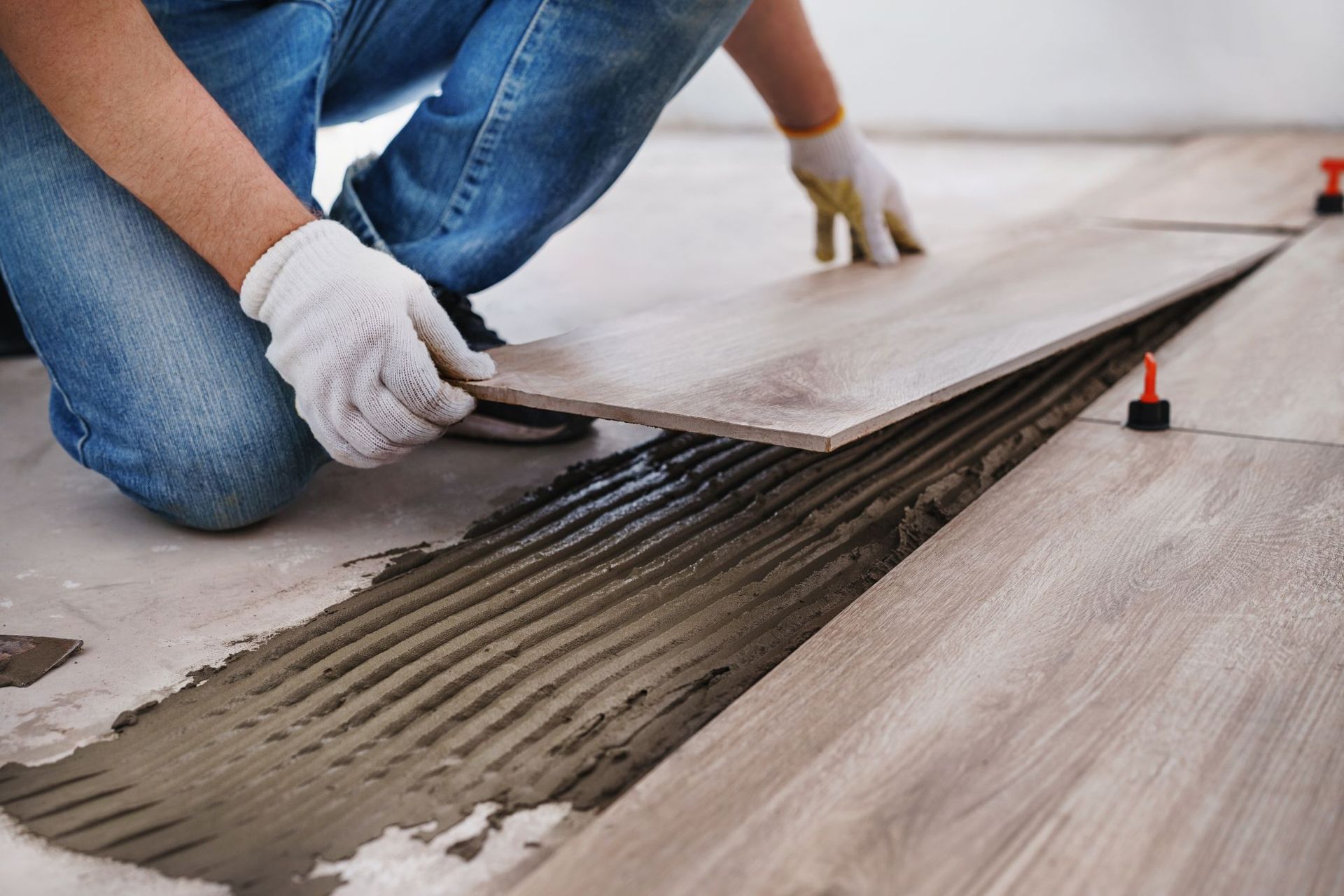
Installation quality depends on substrate preparation—checking for level variations that cause tile to crack or plank flooring to gap, securing loose boards that telegraph movement through new surfaces, and addressing moisture issues that cause adhesives to fail. Tile flooring requires thin-set troweled at the right depth for the tile size, layout that minimizes cuts in doorways, and grout mixed to proper consistency so it fills joints without shrinking as it cures.
Request a flooring consultation to review material options suited to your room conditions, traffic patterns, and maintenance preferences.
The Difference Between Surface Updates and Lasting Floors
Proper flooring installation starts below the visible surface—subfloors need flatness within tolerance or tile cracks along hollow spots, transitions between rooms require planning so height differences don't create trip hazards, and underlayment choices affect sound transmission in multi-story homes. Tile installation allows for radiant heat integration if planned during layout, and grout color selection influences how much dirt shows between cleanings, with darker grout hiding stains that lighter options reveal quickly.
Once flooring installation finishes, you notice surfaces that feel solid underfoot rather than flexing with each step, transitions that align flush rather than catching shoe edges, and rooms that look larger because consistent flooring eliminates the visual breaks that multiple materials create. Properly sealed tile resists staining from dropped food and spilled drinks, and floors remain level rather than developing the dips and humps that signal substrate problems underneath.
Installation scope includes substrate inspection, material layout, setting or fastening, and finish work like grouting or trim, but excludes subfloor replacement when structural damage appears during prep, which requires separate framing and sheathing work before flooring proceeds. Material choice affects project timelines since some products need acclimation periods before installation and curing times before furniture returns.
Questions Property Owners Usually Ask
Flooring decisions involve weighing durability against comfort, appearance against maintenance needs, and upfront costs against long-term performance in specific room conditions.
What flooring works best in Nashua basements where moisture appears seasonally?
Tile and luxury vinyl tolerate humidity fluctuations without cupping or delaminating, while wood and laminate require moisture barriers and dehumidification to prevent swelling during wet seasons.
How does subfloor condition affect flooring installation costs?
Subfloors with dips, damage, or movement require leveling compound, plywood replacement, or additional fastening before new flooring installs, which adds material and labor to baseline installation pricing.
Why do some floors feel cold even after installation?
Tile and stone conduct heat away from bare feet faster than wood or carpet, which makes them uncomfortable in winter unless paired with radiant heating or area rugs in walking paths.
What tile size makes small rooms look larger?
Larger format tiles reduce grout line interruptions that visually chop spaces, and running tiles diagonally or in a plank pattern elongates narrow rooms more than grid layouts.
When should homeowners replace flooring rather than refinish existing surfaces?
Replacement makes sense when water damage extends into subfloors, when outdated materials like asbestos tile create removal complications, or when layout changes require new flooring to match altered room dimensions.
Diamond Quality Construction matches flooring materials to room-specific demands, preparing substrates properly and installing surfaces that perform reliably through years of use. Schedule a consultation to discuss flooring options, installation timelines, and how material choices affect both appearance and long-term maintenance in your home.