
Surfaces Built to Last Through Daily Use
Tile Installation in Nashua for kitchens, bathrooms, and floors requiring moisture resistance and long-term durability
Diamond Quality Construction installs ceramic, porcelain, natural stone, and decorative tile in residential spaces where surface durability and moisture control matter most. Homeowners in Nashua replace worn flooring or outdated backsplashes when water damage appears around tub edges, grout lines darken beyond cleaning, or cracked tiles create tripping hazards. Proper tile installation begins with surface preparation that prevents future lippage and ensures adhesive bonds hold under foot traffic and temperature shifts.
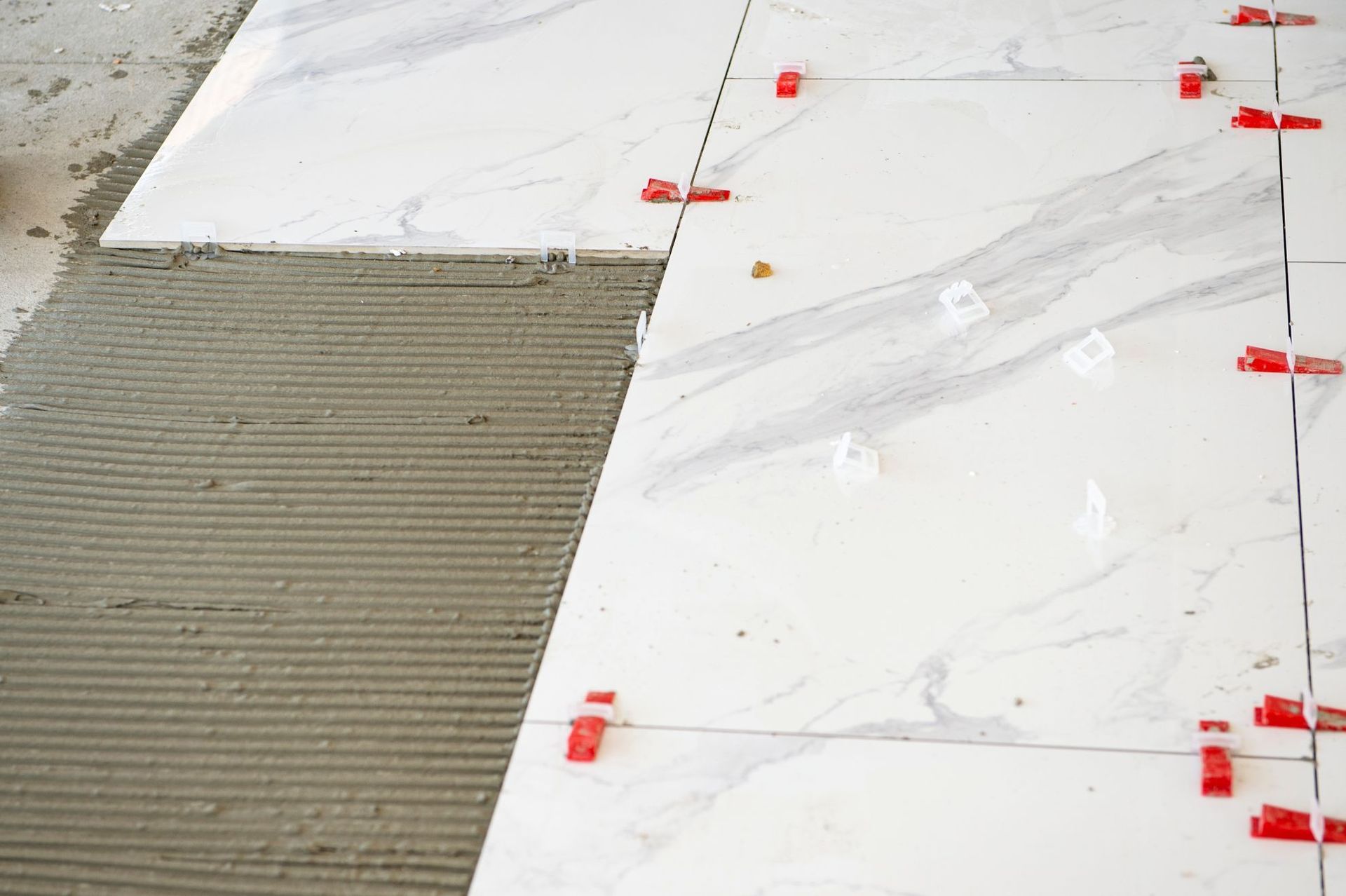
The installation process involves substrate inspection to confirm the surface is level and stable, layout planning that minimizes cuts in visible areas, and thin-set application timed to the tile material's absorption rate. Porcelain tile requires different setting materials than natural stone, which can stain if sealed improperly, and large-format tiles demand lippage control systems that smaller tiles do not. Layout decisions affect how much waste you see in corners and how pattern lines align with doorways, which changes both the visual result and the material cost.
Request a consultation to review tile options and layout requirements for your specific room dimensions.
What Proper Tile Installation Requires
Tile work depends on subsurface preparation more than the tile itself—backer board must be screwed at intervals that prevent flexing, seams need fiberglass tape embedded in thin-set, and floors must meet flatness tolerances or lippage becomes visible once grout cures. Moisture-prone areas like shower walls and kitchen backsplashes require waterproof membranes applied before tile goes up, and grout joint width must match the tile type since rectified porcelain allows tighter joints than tumbled stone.
Once installation finishes, you notice grout lines that run straight across the room without stair-stepping, tile edges that sit flush rather than catching socks or mop heads, and surfaces that shed water instead of absorbing it. Properly sealed natural stone darkens slightly but resists staining from spills, while glazed ceramic maintains its finish without additional treatment.
Installation timelines vary based on substrate condition and tile size—large-format porcelain requires longer setup time between setting and grouting to prevent shifting, while small mosaic sheets involve more grout work but faster tile placement. The service includes surface prep, tile layout, setting, grouting, and sealing where needed, but does not cover plumbing fixture installation or structural floor repairs that may surface during prep work.
Questions Before Starting Your Tile Project
Homeowners planning tile work often ask about material selection, installation timelines, and maintenance needs before committing to a project.
What tile material works best for high-moisture bathrooms?
Porcelain and glazed ceramic resist water absorption better than natural stone, which requires sealing to prevent staining and needs resealing periodically depending on use.
How does substrate condition affect the installation timeline?
Floors with dips exceeding industry flatness tolerances require leveling compound that must cure fully before tile work begins, and rotted subfloors need replacement before backer board installation.
Why do grout colors change after application?
Grout cures lighter than it appears when wet, and haze left on tile surfaces during cleanup can lighten grout further until properly buffed away after initial drying.
What maintenance differences exist between tile types in Nashua homes?
Porcelain tile requires only routine cleaning, while natural stone needs pH-neutral cleaners to avoid etching and periodic sealing to maintain stain resistance through New England's freeze-thaw cycles.
When should homeowners replace tile rather than regrout?
Replacement makes sense when tiles crack from substrate movement, when outdated layouts waste space, or when water damage beneath the tile creates soft spots that grout repair cannot fix.
Diamond Quality Construction plans tile layouts that minimize visible cuts and align pattern lines with room entries, ensuring the finished surface looks intentional rather than pieced together. Schedule a consultation to review material options and layout strategies for your bathroom, kitchen, or flooring project.